 Skip to content


About Slide Down
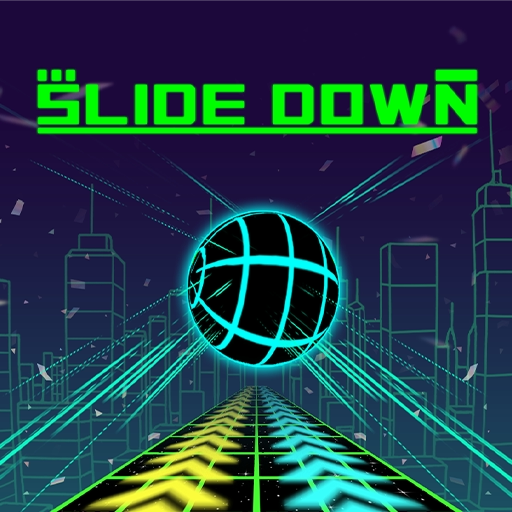
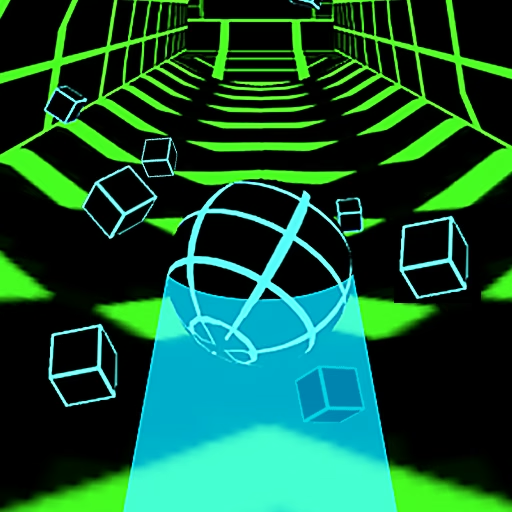
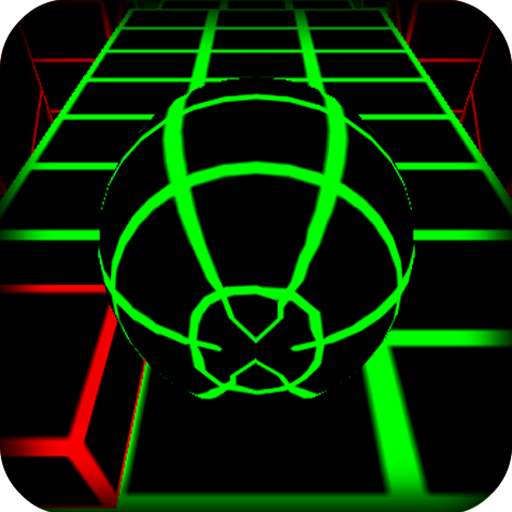
Slide Down puts a rolling ball on suspended, ever-changing tracks. Forward movement happens automatically, so your job is to position the ball as red blocks, gaps, narrow routes and moving hazards approach. A collision or a fall ends the attempt.
Some track sections provide a speed boost that can carry the ball farther and higher. The extra movement brings a second decision: whether the landing area offers enough room to recover. As you survive, the pace increases, leaving less time to judge each new section.
How to Play Slide Down
Use left and right steering to keep the ball on its course. There is no brake; progress depends on reading the route before the ball reaches it.
- Start a run and observe how the ball moves forward on its own.
- Steer away from red blocks while keeping the edge of the platform in view.
- Look past a moving hazard or tunnel to identify the next safe section.
- After a boost, prepare to meet the next platform before making another large correction.
Controls & Timing
Space for a correction
A route that clears the immediate block can still finish at an edge. Notice where the track continues before committing to a direction.
Boosts and landings
A boost changes how far and high the ball travels. Look for the landing surface and avoid steering blindly while the next track comes into view.
Faster zones
Later sections demand decisions earlier. Give the next turn your attention before the present obstacle has passed. This keeps each move connected to a safe exit.
Controls
| Input | Action |
|---|---|
| A / Left Arrow | Steer left. |
| D / Right Arrow | Steer right. |
High Score Tips
- Aim for a clear line through several hazards rather than a last-second gap beside one block.
- Approach platform edges with enough room to steer back toward the track.
- Watch moving obstacles long enough to identify where a passage is opening.
- Treat a boost as a change of pace, not a reason to ignore the next landing.
- After a difficult section, settle the ball before making another large steering change.
Key Features
- Automatically moving ball on floating tracks.
- Red blocks, moving hazards, tunnels and gaps.
- Speed increases as the run continues.
- Boost sections that can extend a jump.
Frequently Asked Questions
What ends a run?
Falling from the track or colliding with a deadly obstacle ends the attempt.
Can I slow the ball down?
The ball moves forward without a brake, so plan each turn around the speed already on the track.
What do boosts change?
They can send the ball farther and higher, making the following landing an important part of the route.
How do I improve my score?
Stay on the course longer. A reliable landing can preserve an attempt and create another chance to travel farther.